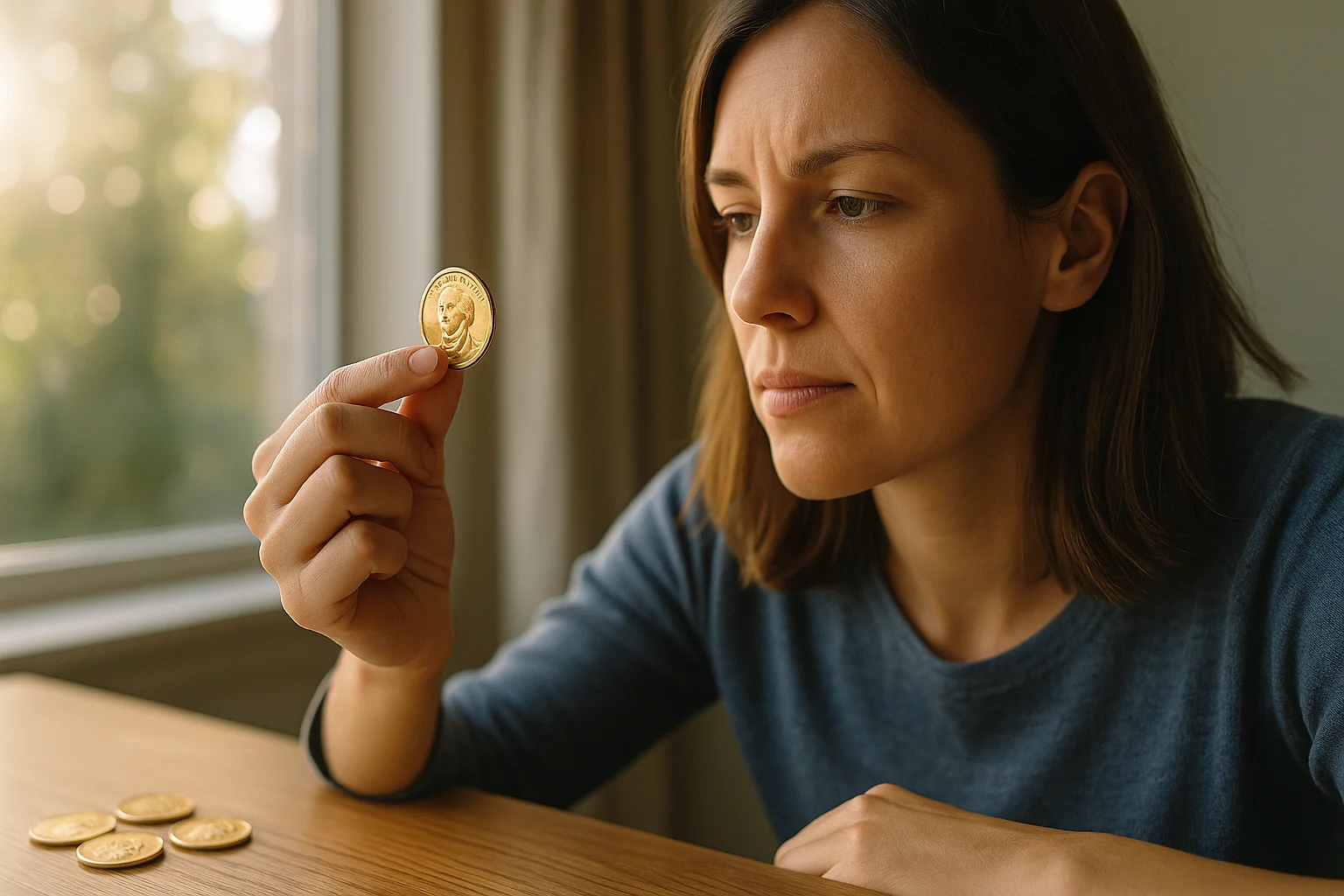
Almost every coin from your collection might have come from eBay. But have you ever thought about doing it the good old way? Buying collectibles in person offers an experience that marketplaces simply can’t imitate. Here you find direct inspection, real interaction with experienced dealers, numismatic networking, and coins that are unimaginable online.
It might seem a bit messy when you just begin collecting. But with a bit of preparation and clear goals, the value of coins you discover offline will never disappoint you. Here we show how to approach shops, shows, and auctions with confidence.
Define Clear Collecting Goals
To approach offline purchases with confidence, begin by defining goals and building a research routine that protects both your budget and your collection. A strong offline buying strategy starts with a personal roadmap. Identify what excites you most:
- Historical eras (Roman, medieval, early U.S. minting)
- Precious metal types (silver, gold, platinum)
- Themes (wildlife, commemoratives, military history)
- Investment-focused categories (bullion with low premiums or certified key dates)
Goals narrow the field and help you focus on coins that truly fit your long-term plan. Before visiting any shop or event, review updated price guides, auction archives, and recent dealer listings. This guards you against inflated prices and gives you a realistic benchmark for negotiation later. Education is another pillar. The American Numismatic Association provides grading resources and market data that sharpen your eye for strike details, die variations, and condition tiers.
Start With Reputable Local Coin Shops
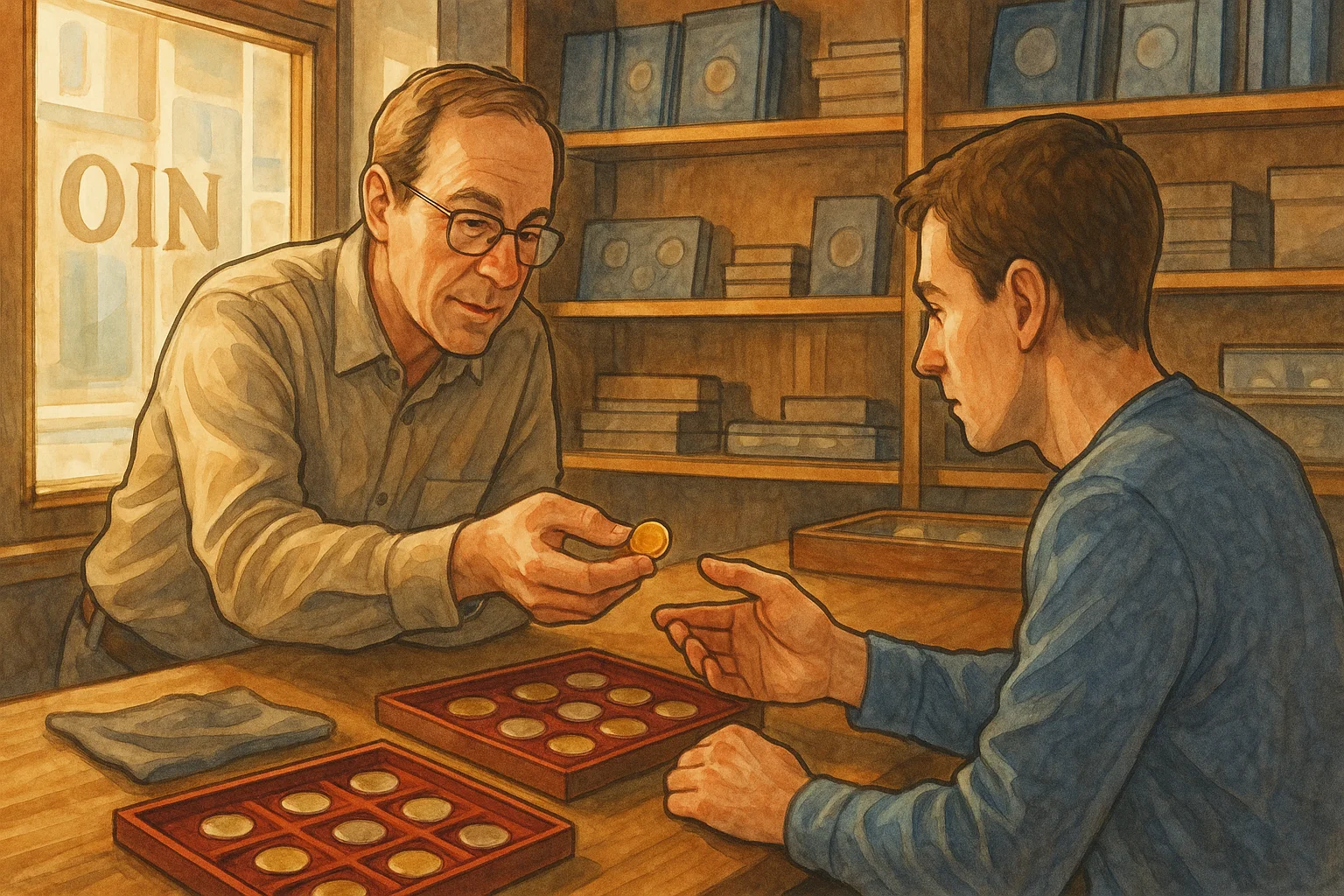
Local shops remain one of the safest starting places for offline buying. You can examine coins under proper lighting, talk through details with an expert, and compare items side by side. To ensure the best results:
- Choose shops with strong reputations in collector communities.
- Prioritize dealers offering PCGS or NGC slabbed coins to minimize counterfeit risk.
- Ask to view coins under magnification to verify surfaces, mint marks, and potential issues, check them with a free coin identifier and value for extra support and reliability.
- Visit multiple shops to compare pricing and inventory depth.
Building relationships here pays off. Dealers often alert returning customers when rare items arrive and may offer better terms over time. Offline collecting thrives on trust, and local shops are the foundation of that network.
Make the Most of Coin Shows
Coin shows and auctions expand your access far beyond what a single shop can offer. These events gather dozens of specialists under one roof, making them ideal for exploring new series, comparing prices in real time, and discovering coins that rarely appear elsewhere.
Shows reward preparation. Before attending, check the exhibitor list to see which dealers match your collecting goals. Bring a small toolkit:
- A 5×–10× loupe
- Soft cloth for safe handling
- A compact notebook or digital notes
- Reference prices you collected in advance
At a show, variety is the biggest advantage. You can compare the same type of coin across several dealers within minutes, helping you understand subtle grading differences and market patterns. Negotiation is also easier because pricing is visible across multiple tables. Spend time looking at strike detail, luster consistency, and rim integrity. If a coin has been cleaned, hairlines or unnatural shine usually reveal it.

Use Auctions for Certified and High-End Pieces
Auctions are excellent for coins with higher value, scarce dates, or documented provenance. Many houses provide detailed photos, but true confidence comes from physical preview sessions. Examine every lot you plan to bid on under magnification and note weaknesses before committing. Track recent hammer prices to avoid overpaying in competitive bidding rounds.
Certified items—especially those graded by PCGS or NGC—offer clearer assurance of authenticity and condition. Even so, inspect the slab itself for tampering or excessive wear at the seams.
Enhance On-Site Verification With Tools
Offline buying benefits from digital support. During events or previews, many collectors use the coin identifier app for Android as a quick reference tool. Its freemium system allows you to photograph a coin and confirm details such as:
- Mint years
- Metal composition
- Weight standards
- Country and type classification
The app also helps identify mismatches between expected specs and the coin in hand. While it doesn’t grade coins or detect errors, it strengthens your initial screening before making a purchase decision.
Run a Full Authenticity and Condition Check
Once you know where to buy, the final step is mastering verification and negotiation. These skills protect your investment and help you form long-term relationships with trusted dealers.
Offline buying gives you the advantage of examining a coin directly. Use that opportunity fully. Focus on:
- Weight and diameter: Compare with known standards; major deviations signal counterfeits or altered pieces.
- Edges and rims: Filing, uneven reeding, or tool marks usually mean tampering.
- Surface clues: Natural toning forms gradually, while harsh cleaning creates hairlines and dull luster.
- Strike quality: Look closely at fine details such as steps, bands, feathers, or lettering clarity.
Ask the dealer about provenance, previous owners, or purchase history. Coins in PCGS or NGC slabs reduce risk and simplify resale later. For raw coins, rely on your loupe and experience, and cross-check basic specs with digital tools while evaluating them. During this stage, the Coin ID Scanner can support your review by confirming expected mint years, composition, and reference data for quick comparison.
Build Relationships and Negotiate Effectively
Numismatics rewards collectors who engage respectfully and consistently with dealers. Good relationships lead to early access to new arrivals, better prices, and honest guidance on market shifts.
To negotiate well:
- Show familiarity with current market ranges.
- Point out surface marks or strike softness to justify a lower offer.
- Be ready to walk away if the price exceeds realistic values.
- Time purchases during market dips or at the end of show days when dealers prefer to reduce inventory.
Always request a receipt with full details. It protects you, especially when buying premium or historically significant pieces.
Record and Organize Your Purchases
Once the deal is done, document your new addition immediately. Many collectors log acquisitions digitally to avoid errors later. The Coin ID Scanner’s database, AI Coin Helper, and smart filters help organize coins into categories, track duplicates, and maintain a structured collection overview.
Offline buying offers clarity, trust, and stronger decision-making. With solid research, simple verification steps, and good communication with dealers, you can build a collection that holds long-term value. Use each visit as a learning moment and keep improving your skills with every purchase.